Wednesday, August 02, 2006 - 4:27 pm

Hakone Chokoku no Mori Club

Spent the night in Hakone Chokoku no Mori Club (箱根彫刻の森クラブ) after the Kamakura (鎌倉) trip. Hakone is a mountainous area located in the Kanagawa Prefecture (神奈川県) just next to Tokyo (東京都). It is famous as a tourist spot for both locals and foreigners. During weekends and holidays, the place is usually crowded with tourists who mostly go there for the hotsprings (温泉, onsen).

Oh, the hotel we spent the night at was superb. The room consists of two sections. One Western-styled room with two queen-sized bed, a TV and a toilet.

The toilet comes with the most incredible invention of all... Tada!
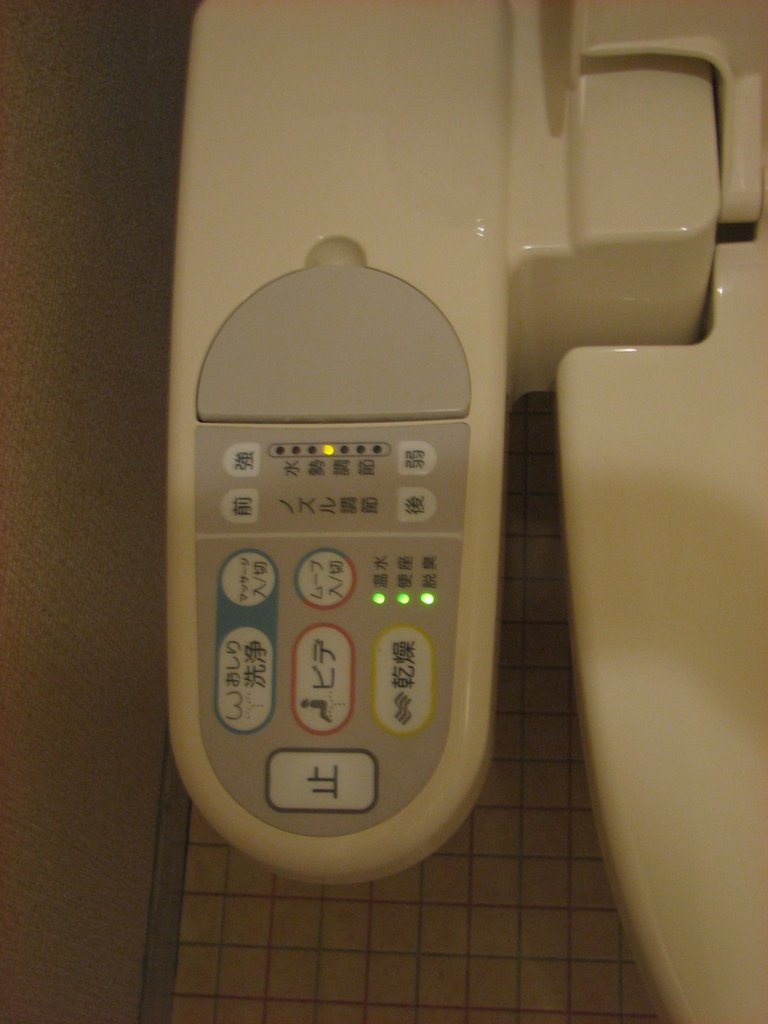
This control panel is for heating the toilet seat, and for adjusting the bidet (especially cool for anal stimulation). Not that it's a brouhaha actually. Most Japanese toilets come with it. It's just that it always looks curious to me, that's all.
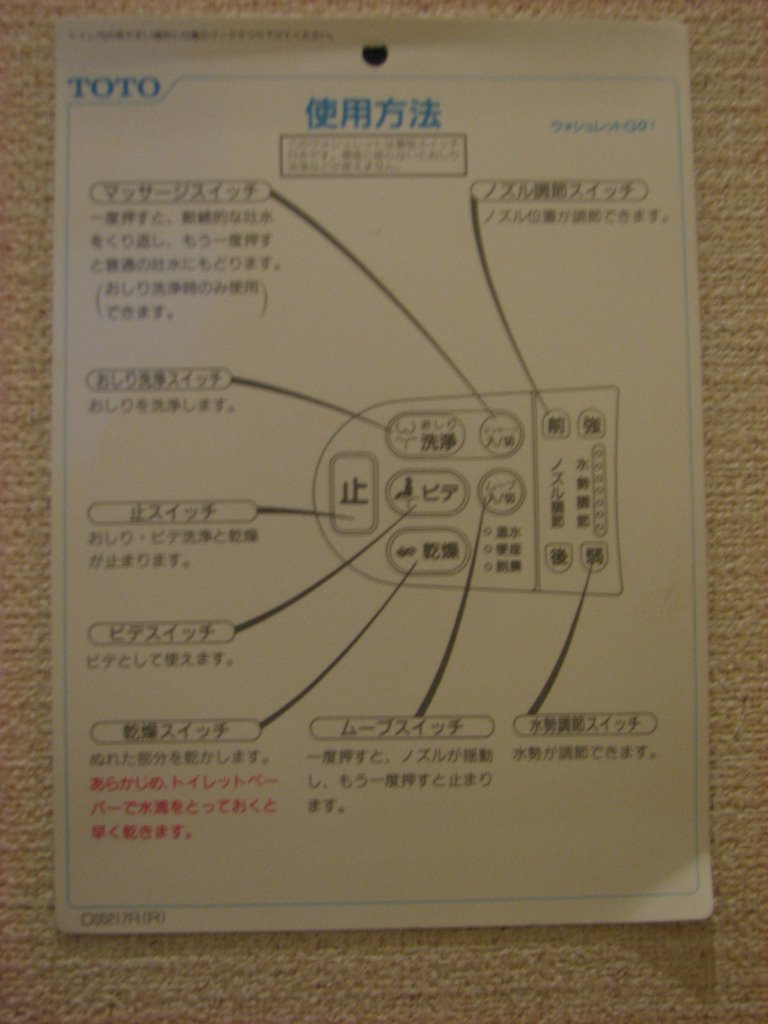
And it comes with the instructions! But make sure you understand well before you even think of touching the buttons. The consequence can be dire...

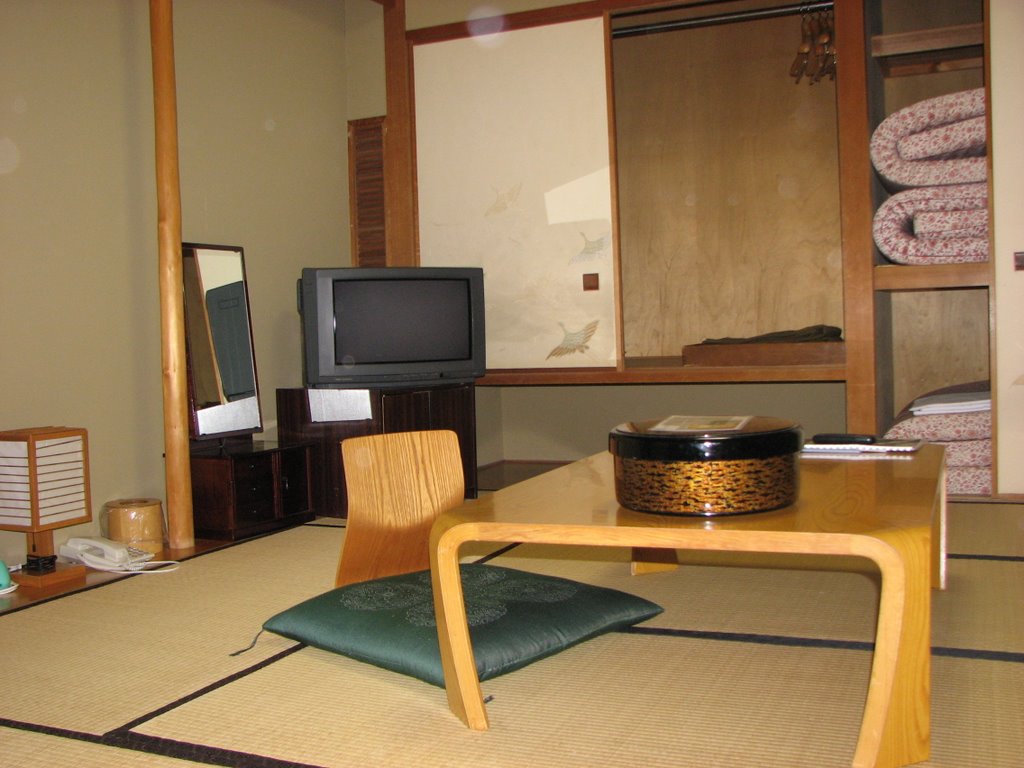
The other section of the hotel room is a Japanese-styled room with tatami mats and futon.
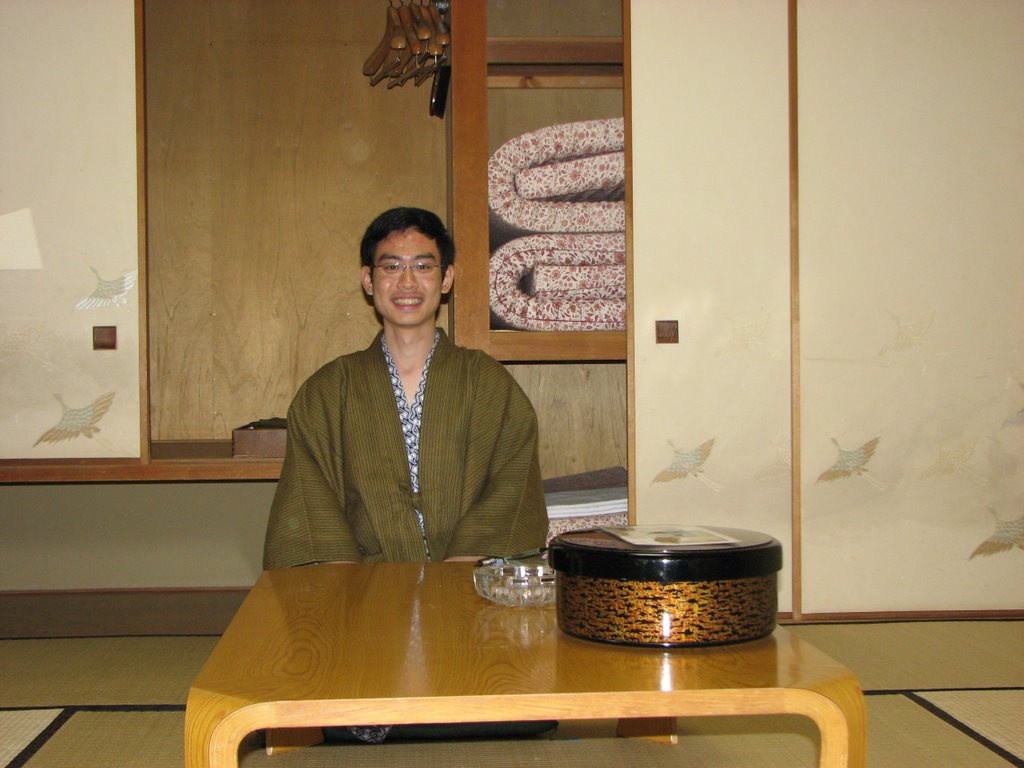
And, another TV.

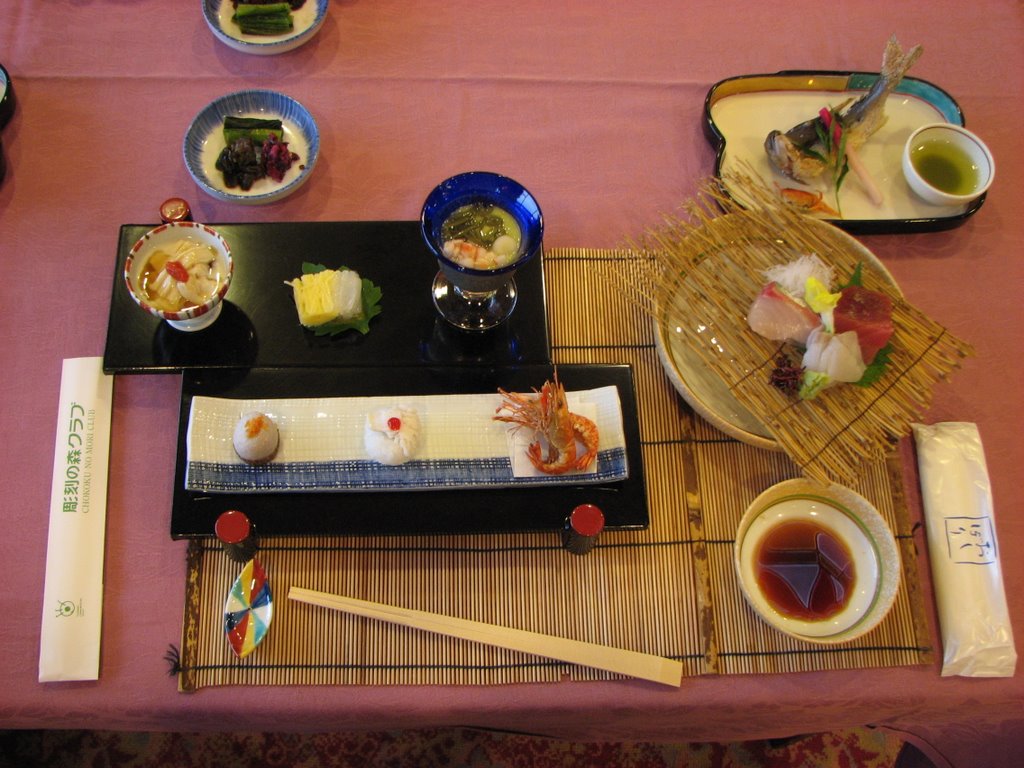
The dinner was a full Japanese course! Tried all sorts of Japanese food for the first time; food that I can't afford! Don't let the quantity fool you. Even though they're served little by little, by the end of the course, you'll feel as if you' ve just eaten a whole cow.
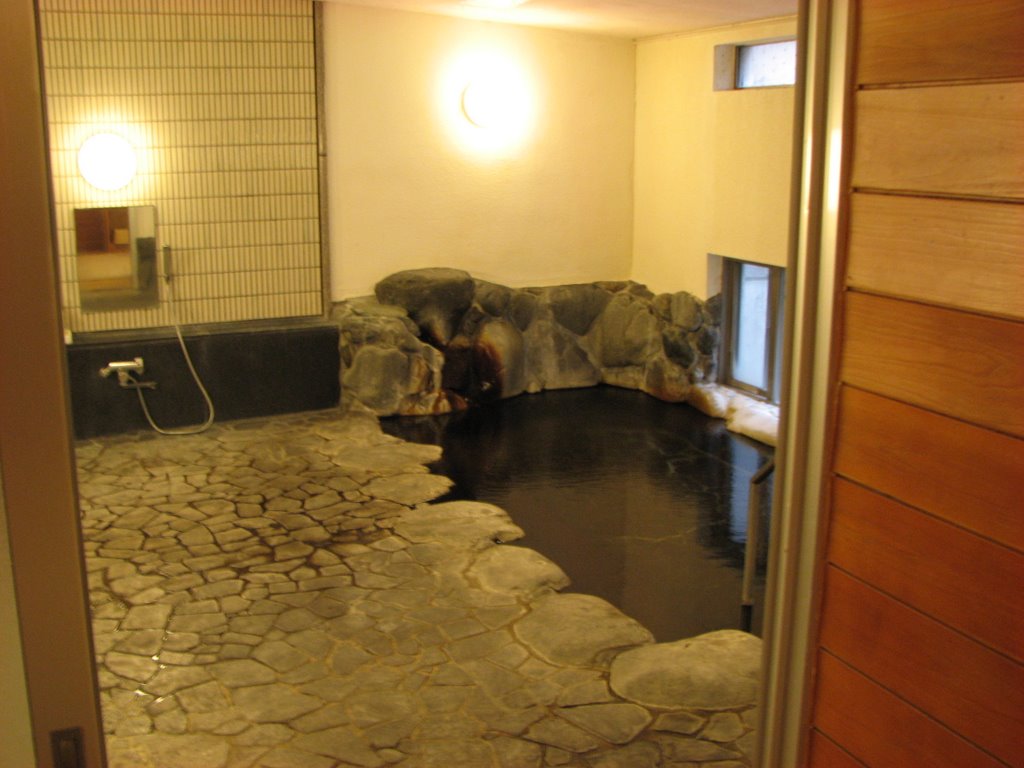
Not to forget, there's the onsen, of course. Like most (but not all) Japanese hotsprings, this one is segregated.
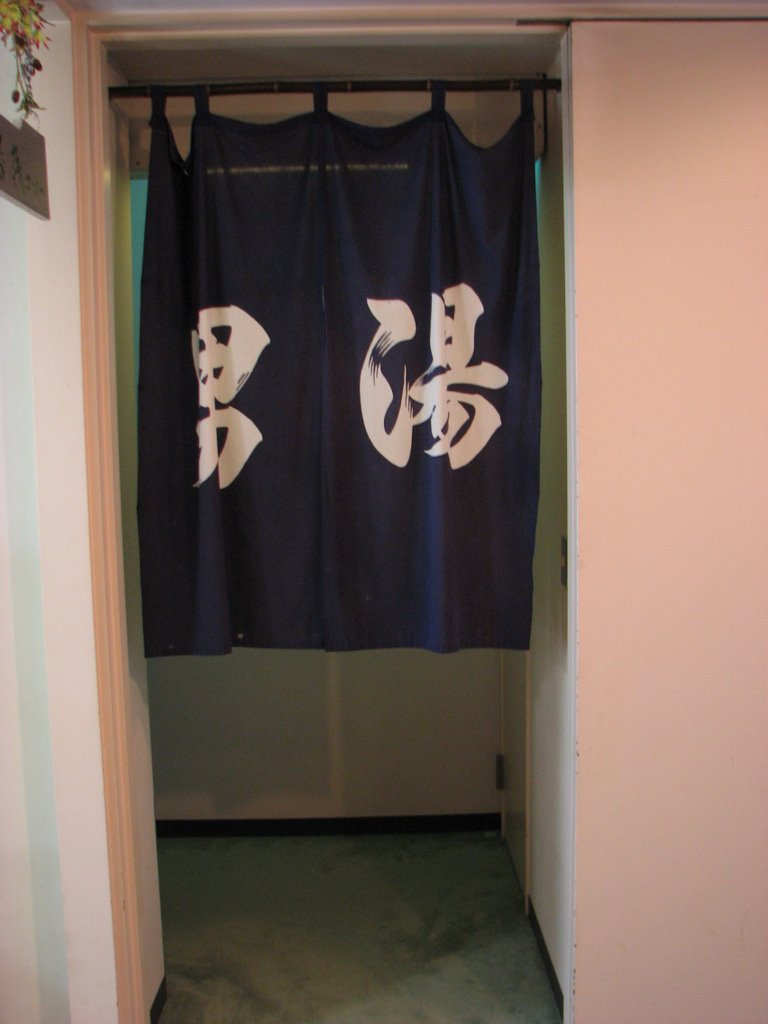
Entered a Japanese hotspring for the first time. Just in case you don't know, you have to enter N-A-K-E-D, except with a small towel, which is not allowed in certain places, though. Luckily, since it was a weekday, the three of us where the only guests in the hotel. Phew!

Yup. It was scalding-hot. As hot as 42゜C! Going to a hotspring during summer? Some people must be nuts!
- 25 July 2006, Tuesday -

Kamakura

25 July, Tuesday - Weather was fine in Tokyo. By 'fine', I mean, cloudy. To be exact, the morning was foggy. There must have been a shower the previous night. But I slept through the whole night like a log. Whee! A good day indeed for the trip to Kamakura with my Japanese 'foster parents'!

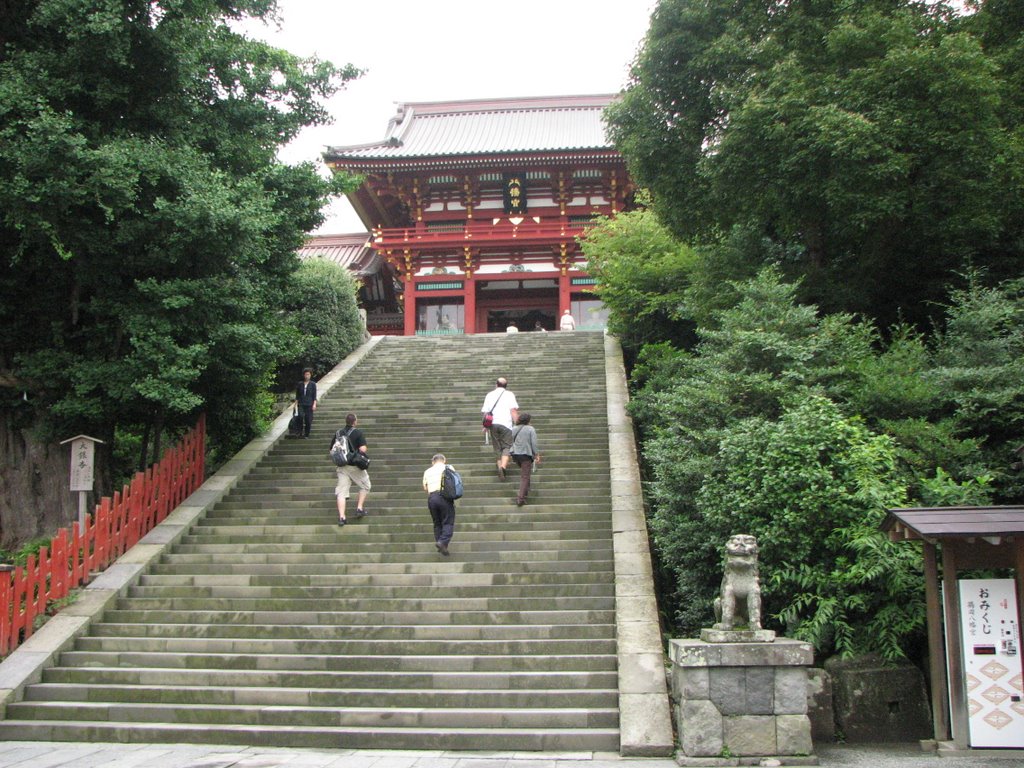
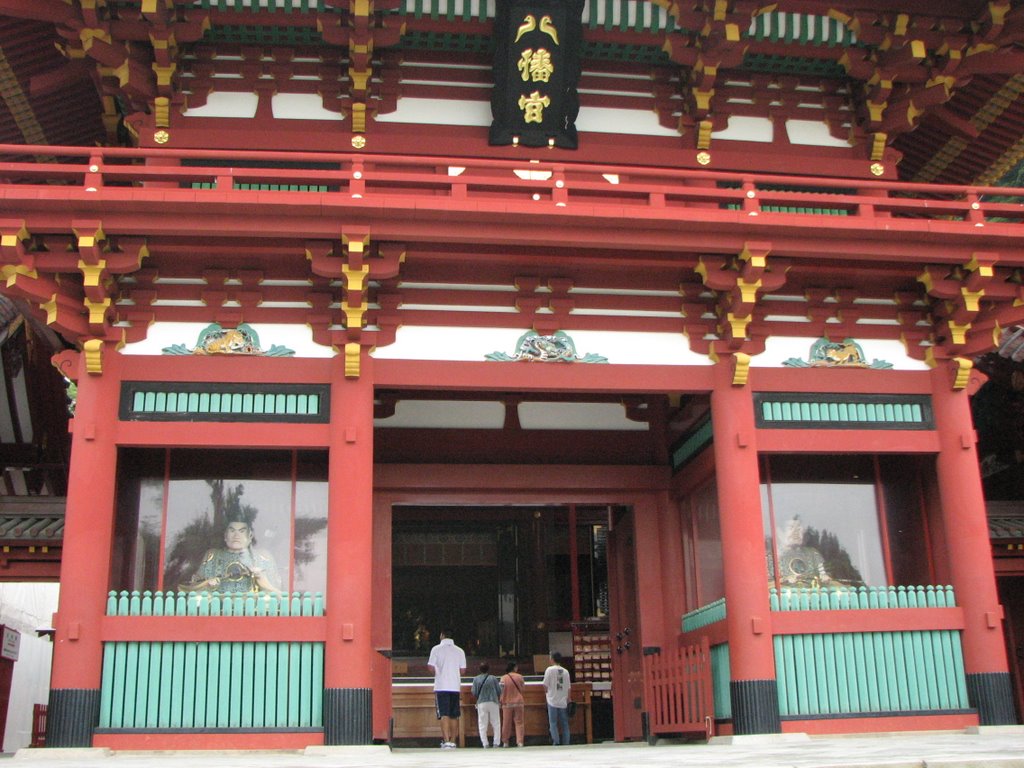
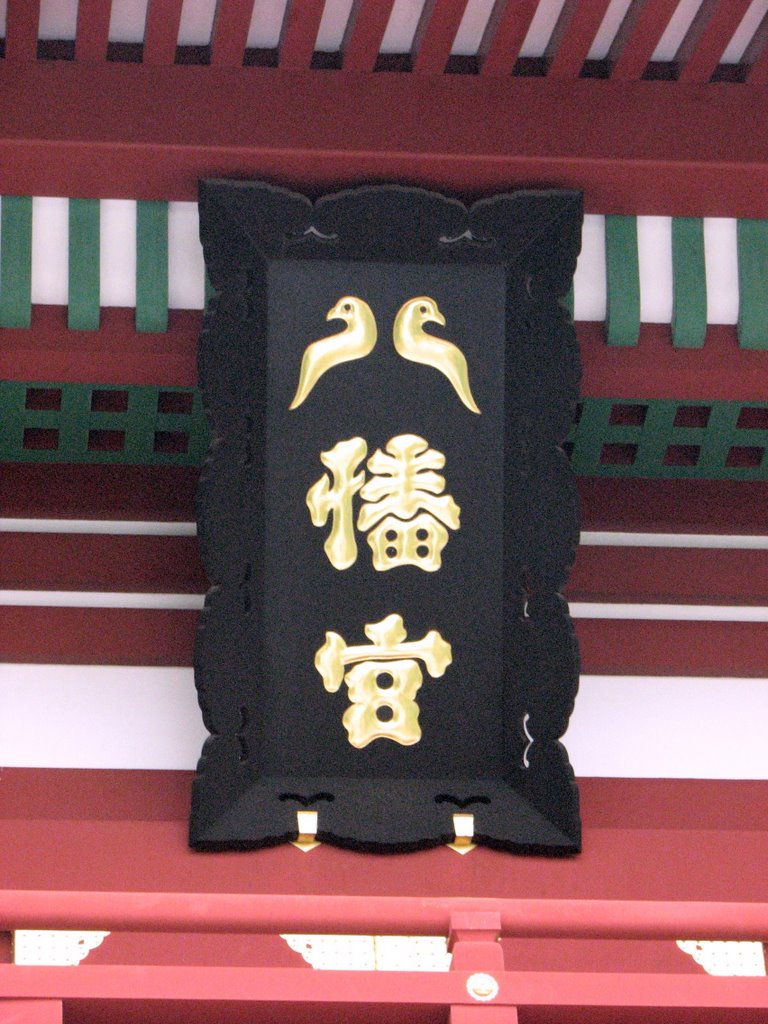
First stop, Tsurugaoka Hachiman Shrine (鶴が丘八万神宮). There're numerous shrines in Kamakura, one of the oldest cities in Japan and Tsurugaoka Hachiman Shrine is one of the most important.
It was originally built in 1063 near Yuigahama, and was dedicated to the Emperor Ojin, his mother Empress Jingu and his wife Hime-gami. Minamoto no Yoritomo, the founder of the Kamakura shogunate, moved it to its present location in 1191 and invited Hachiman, the God of warriors, to reside there and guard his government. ~Wikipedia

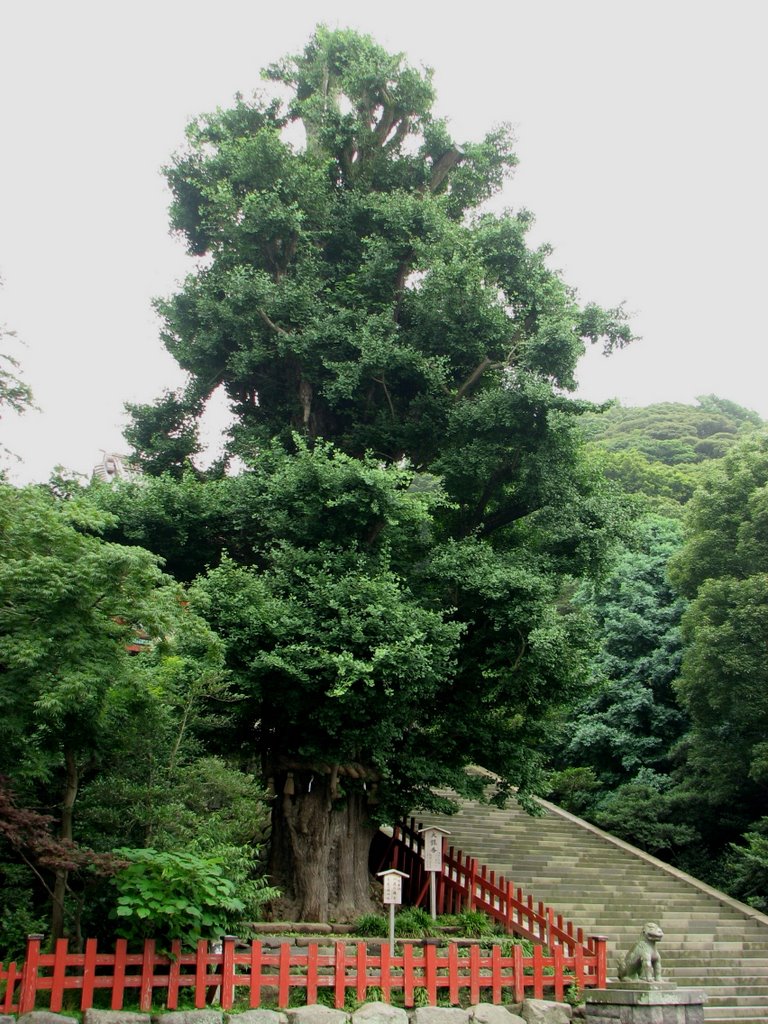
Minamoto no Sanetomo, the third Kamakura shogun, was assassinated on February 13, 1219 by an archer hiding behind the great ginkgo tree that still stands aside the great staircase at the shrine. ~Wikipedia
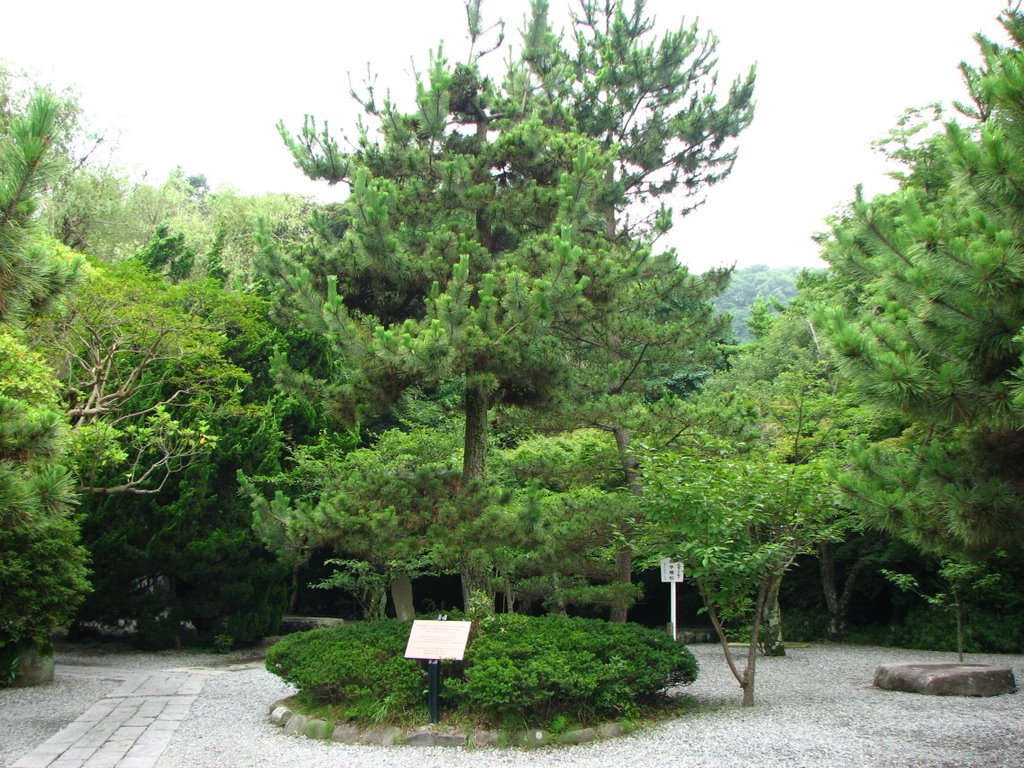
This tree is now about a thousand years old.

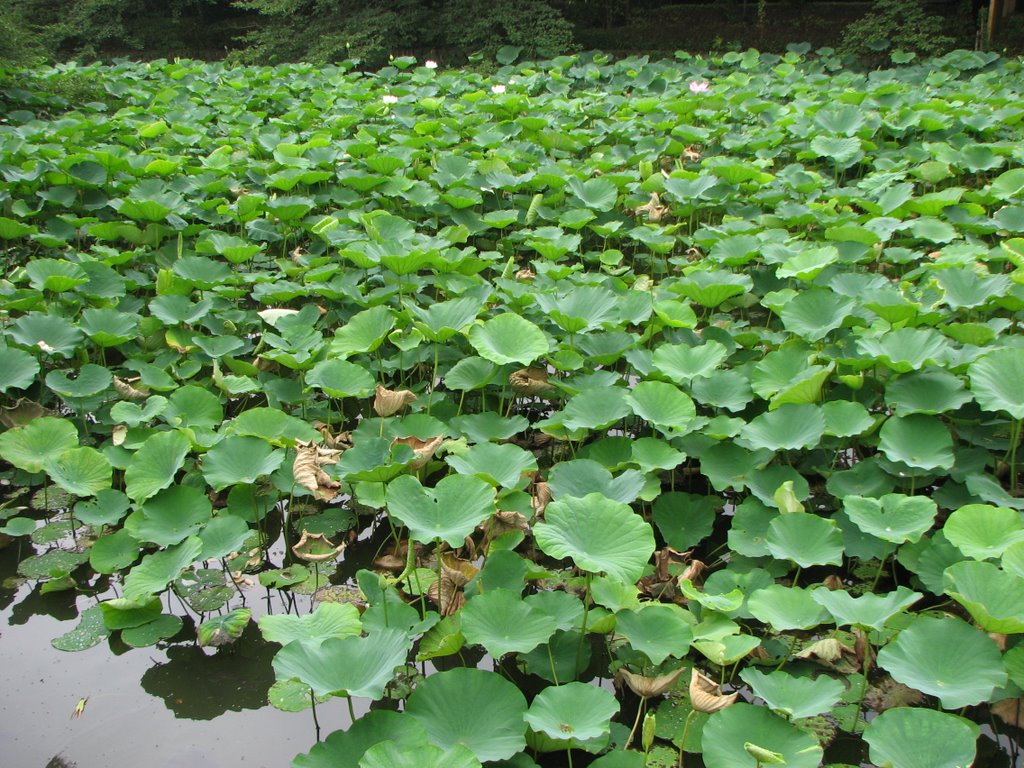
A lake full of water lillies. Unfortunately, the flower season was over.

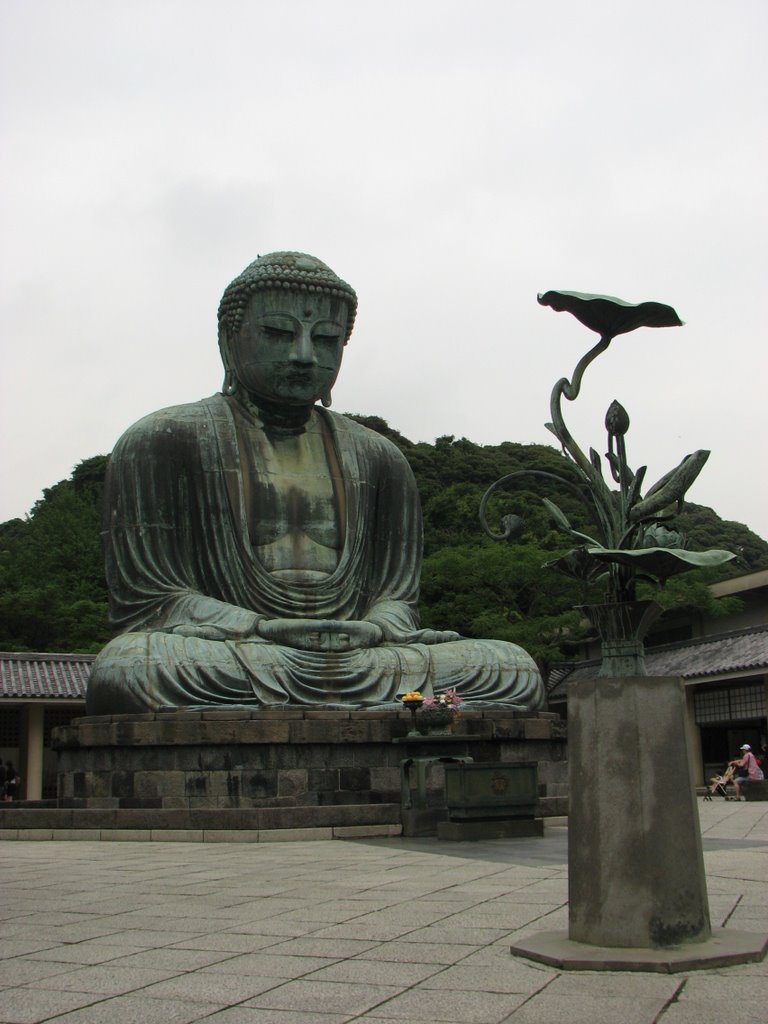
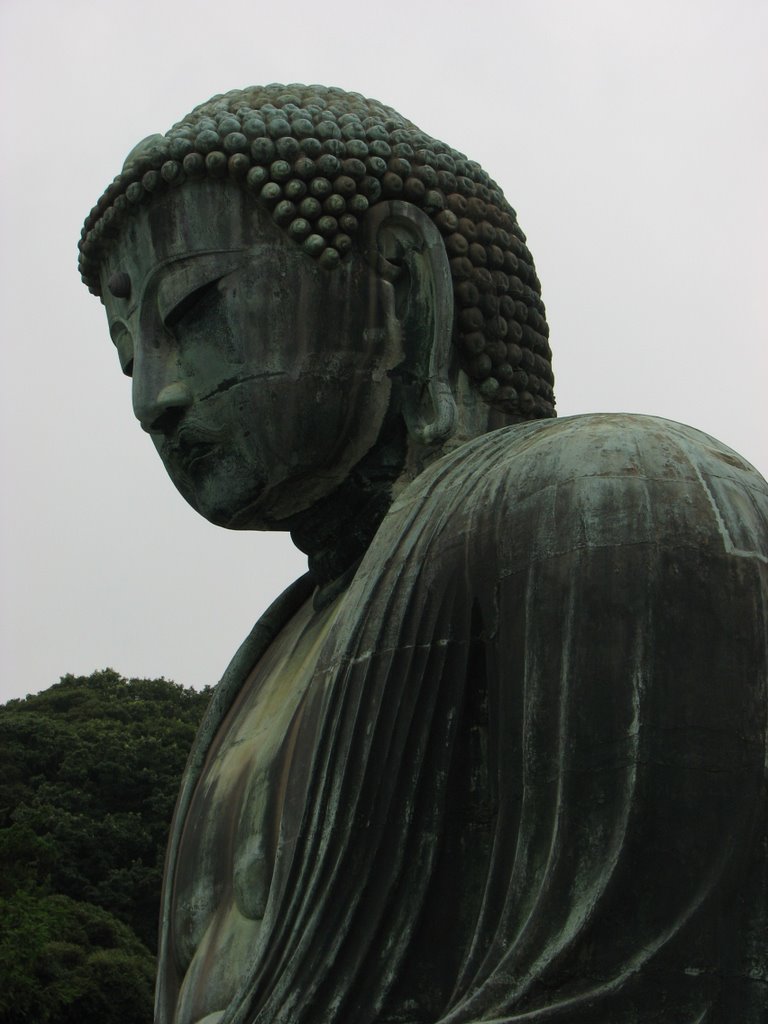
Next stop, Kotokuin Temple (高徳院), where the famous Kamakura Bronze Buddha (大仏, daibutsu) statue resides.

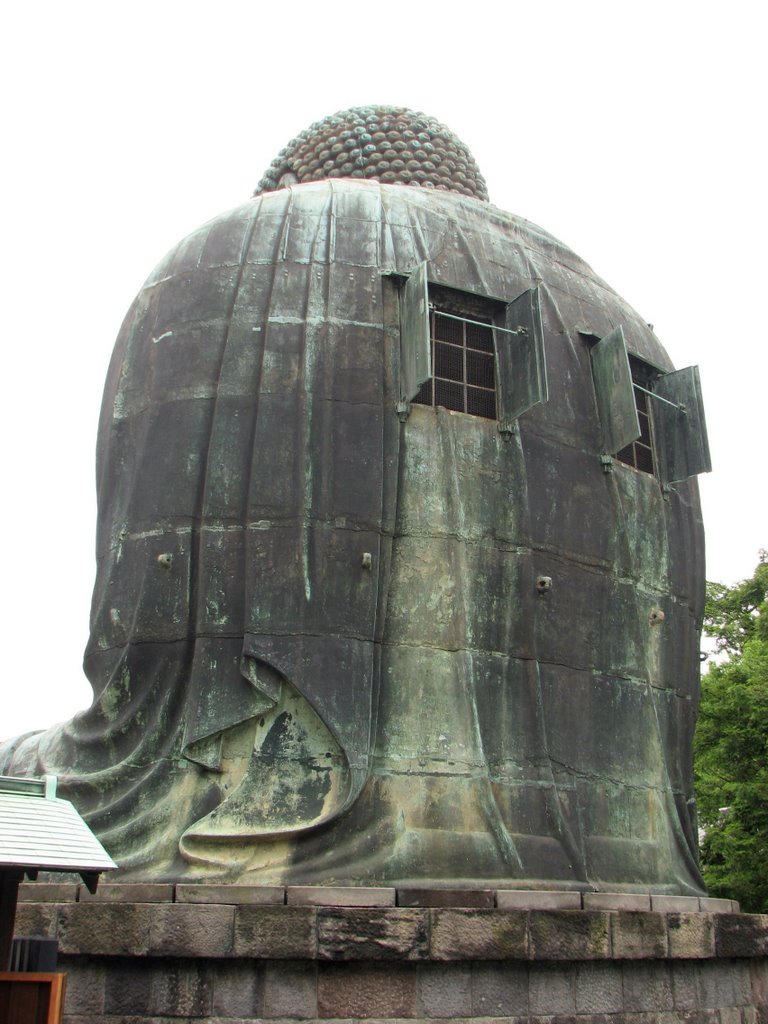
This statue was originally housed in a temple. The building was washed away by a tsunami in 1498, leaving the bronze statue intact.

  • Weight; 93tons
  • Height; 13.35m
  • Length of Face; 2.35m
  • Length of Eye; 1.0m
  • Length of Mouth; 0.82m
  • Length of Ear; 1.90m
  • Length from knee to knee; 9.10m
  • Circumference of thumb; 0.85m

Phew! Even the great Buddha couldn't stand the summer heat!

This tree was planted by the Siam King during His visit to the temple.

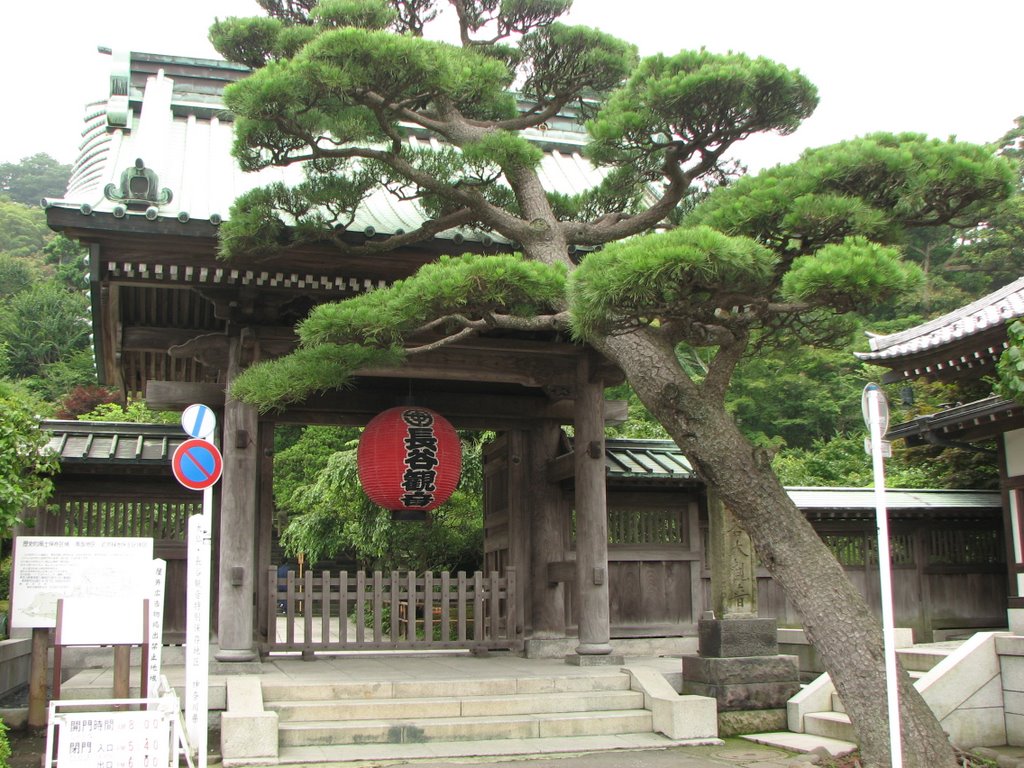
The third stop, 長谷観音 Temple which is built by a hillside.

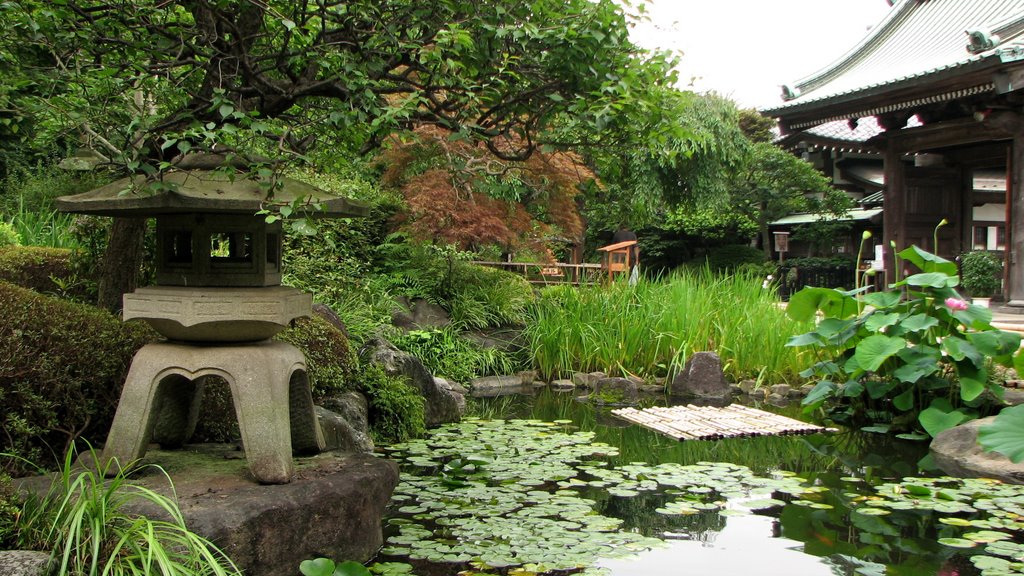
A zen garden.

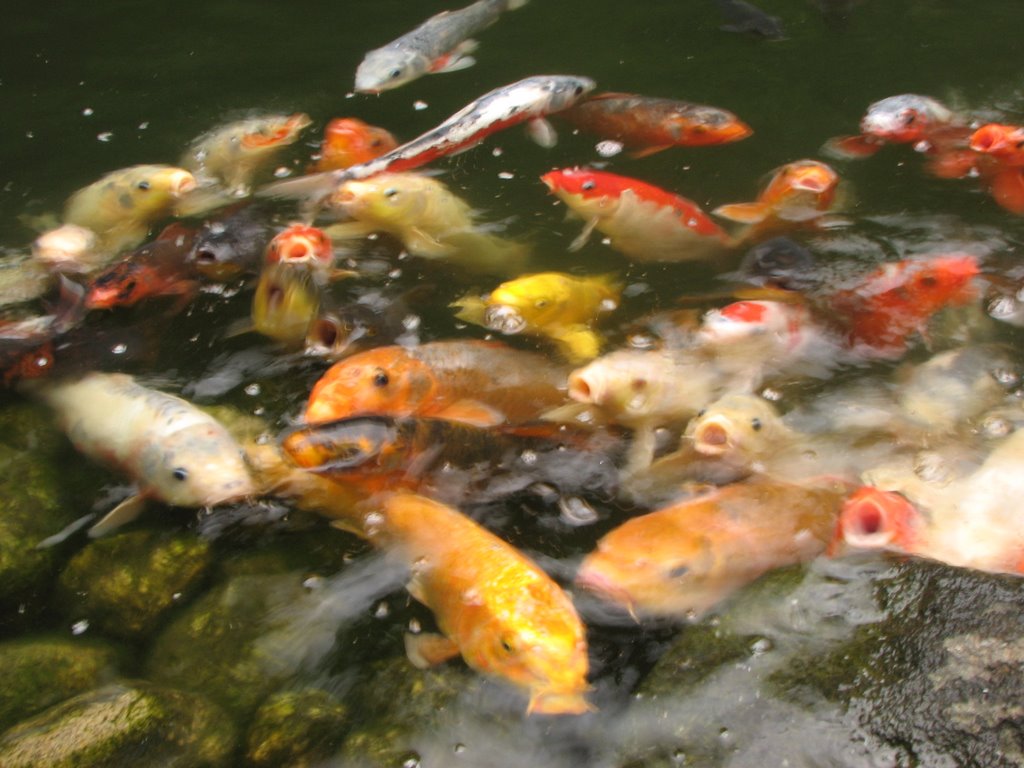
Hungry carps waiting to be fed.
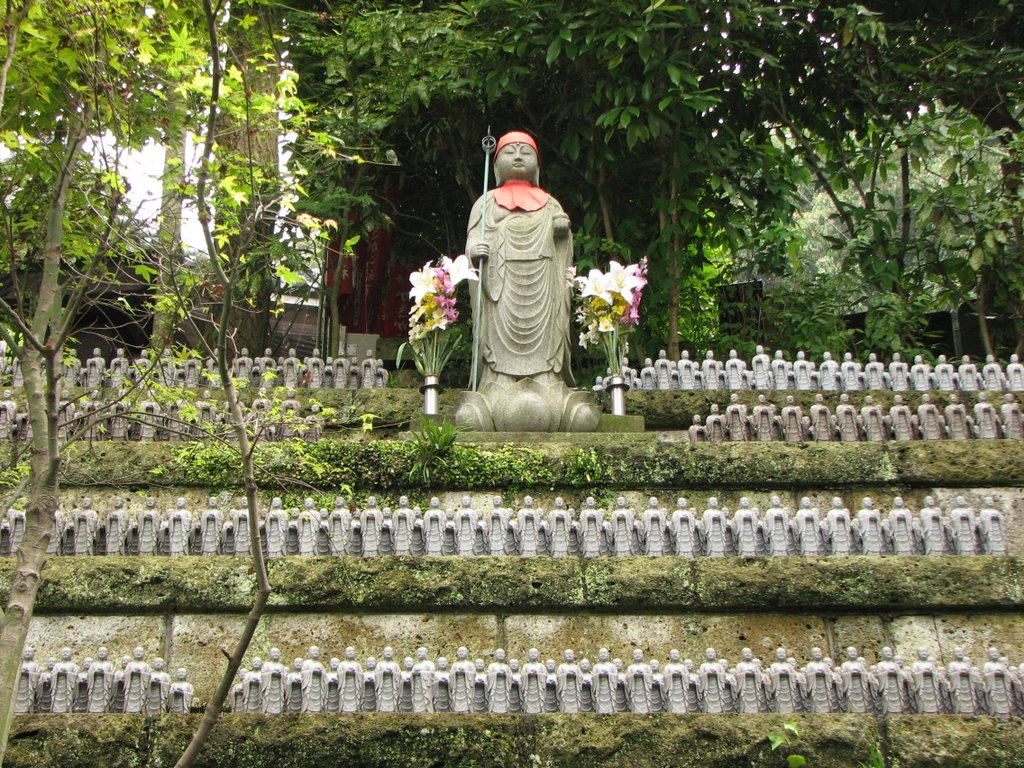
Countless Buddha statues.

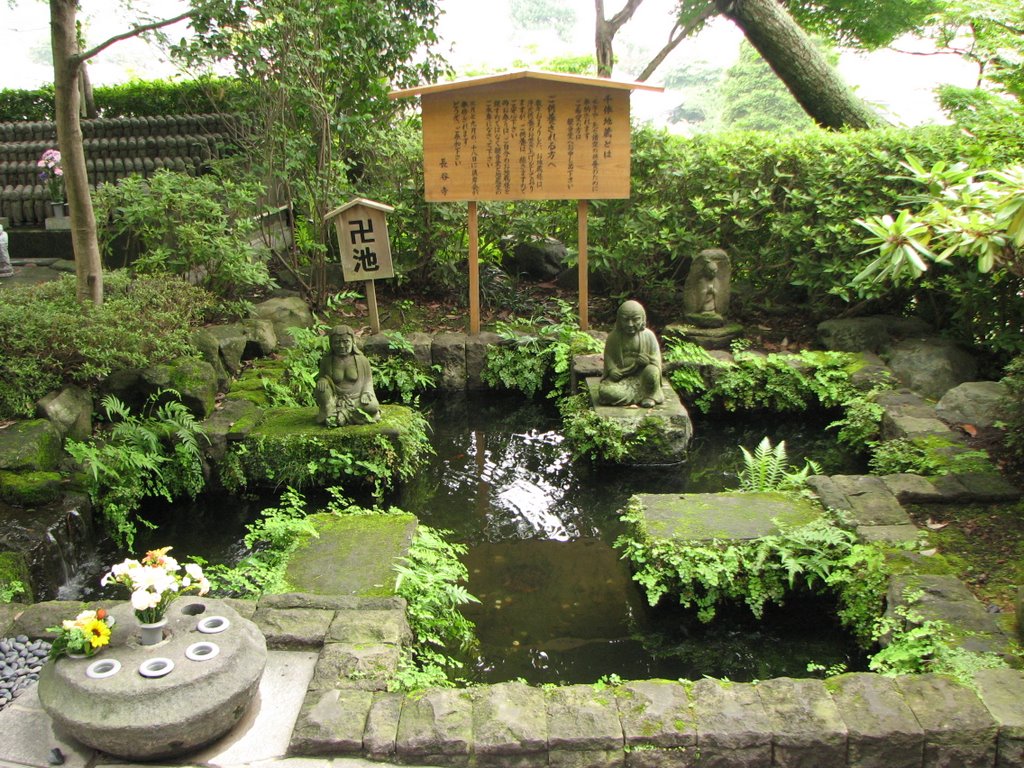
A pond.

There was a big Kannon statue coated with gold paint. Unfortunately, no photos were allowed in the temple.

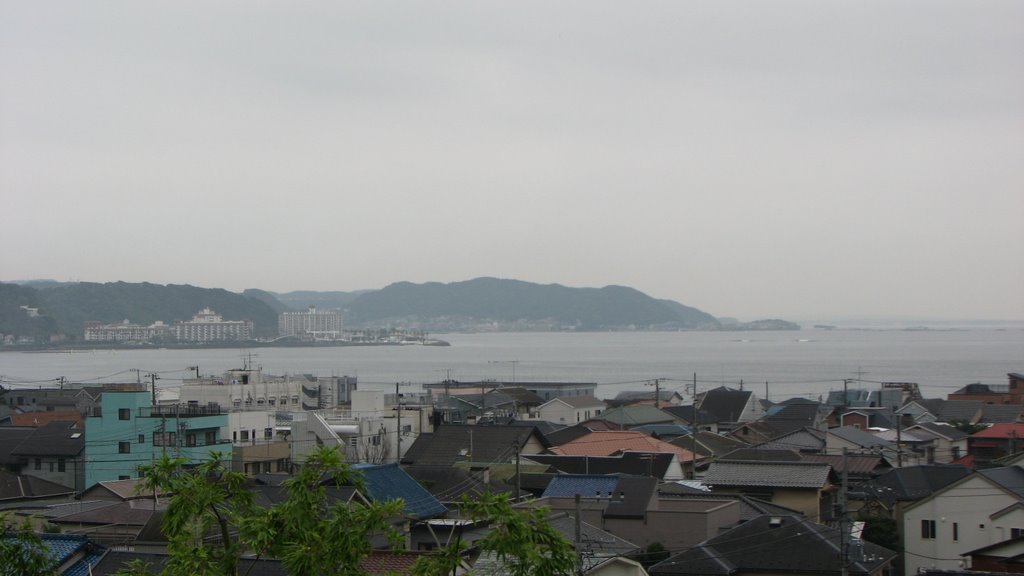
A view of the city from the hillside.

- 25 July 2006, Tuesday -

Thursday, July 27, 2006 - 5:13 pm

Tamagawa Hanabi

Oh man! This is the coolest event you can look forward to in Japan! Fireworks displays (花火, hanabi)!

There is not only one, but as many as ten fireworks displays in Tokyo throughout late July and early August, with the one in Sumida (Asakusa) being the largest Hanabi event. It is an extremely fun experience watching Hanabi but is equally exhausting. You'll need to get to the venue as early as three or four hours before the event starts just to get a spot. Well, unless if you don't mind spending a few thousand yen for a special seat, of course.

Thanks to the guys from TOFSIA, we had a good spot to watch the hanabi by the Tama River (多摩川) in Chofu.

Well, this is how crowded it was... Right from the station to the streets, and from the streets to the riverbank.
The weather didn't seem so good. Nevertheless, everyone was in such a good mood that no one cared so much about a little shower... But it didn't rain, luckily. Until the hanabi ended.

A tripod and a good camera... That's exactly what you need to take shots of the hanabi. And, uh... plenty of memory space... Which was what I didn't have... Just a mere 512 MB. My new camera comes with a "fireworks" option, specially for taking photos during occasions like this. I guess the overseas model don't have this function.

Soon, the summer sky got dark and the hanabi started right on time at 7.20pm.

The fireworks are partly sponsored by the Chofu municipal council, and mostly by companies and other individuals.

Some fireworks were sponsored by parents who wish for their children's health.

Some were even by those who wished to get good results in their university entrance exam.

It is believed that the bigger the firework explosion, the better the luck you'll get.

There were forty over sponsors.

I like this. They look like flowers dancing in the wind.

This one looks like the milky way.

And, oh my god! This was the greatest of all! The grand finale! So, that's what the cranes were for. The fireworks were hung over two cranes, horizontally. When lit, they looked like the Niagara Falls. This one is flowing with golden water, though!
Welcome to El Dorado! Whoa! You won't believe this unless if you see it with your own eyes!

Most people started to leave right after this grand finale. I guess that's what everyone was waiting for. Well, guess what, by the time the hanabi ended, it was 8.30pm. One million fireworks had been let off non-stop for as long as 70 minutes!

- 23 July 2006, Sunday -

Back to Ueno

Stopped by at Ueno on the way back from Asakusa. The first time I came here was for the Ueno zoo and the museum. This time was just to have a quick look around the park, which is a rather big one that houses numerous art galleries and museums.

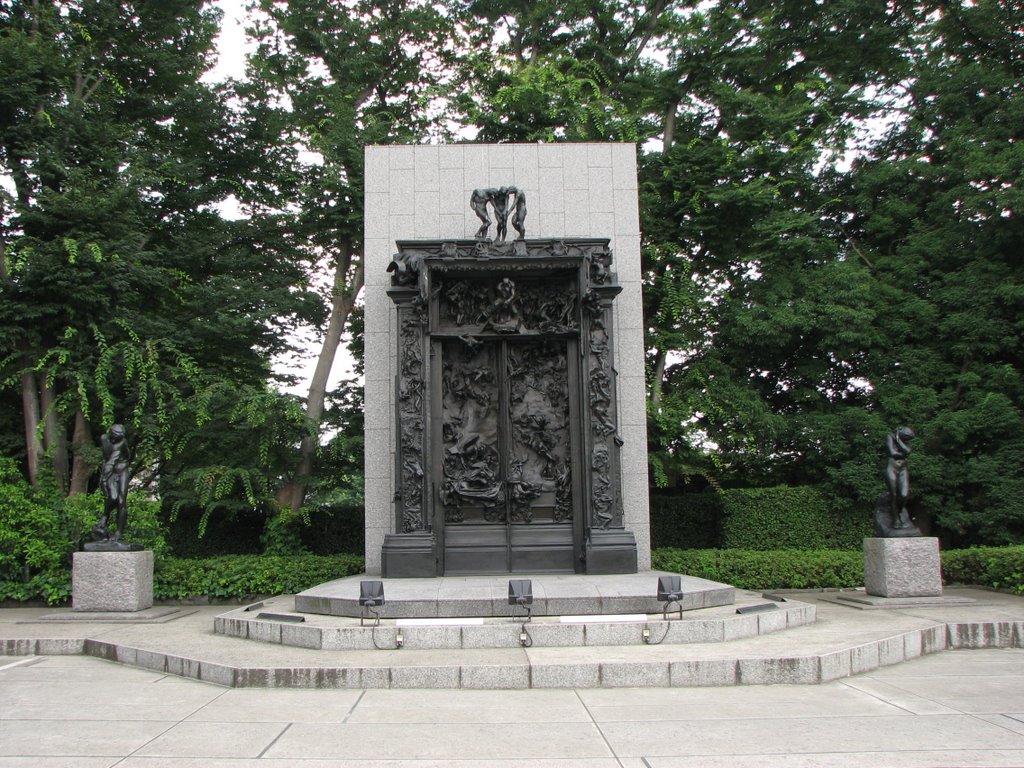
This is the Western Art Gallery (国立西洋美術館).

Burghers of Calais (1884-88), Auguste Rodin


Heracles the Archer (1909), Emile-Antoine

The Thinker (1880: enlarged in 1902-04), Auguste Rodin

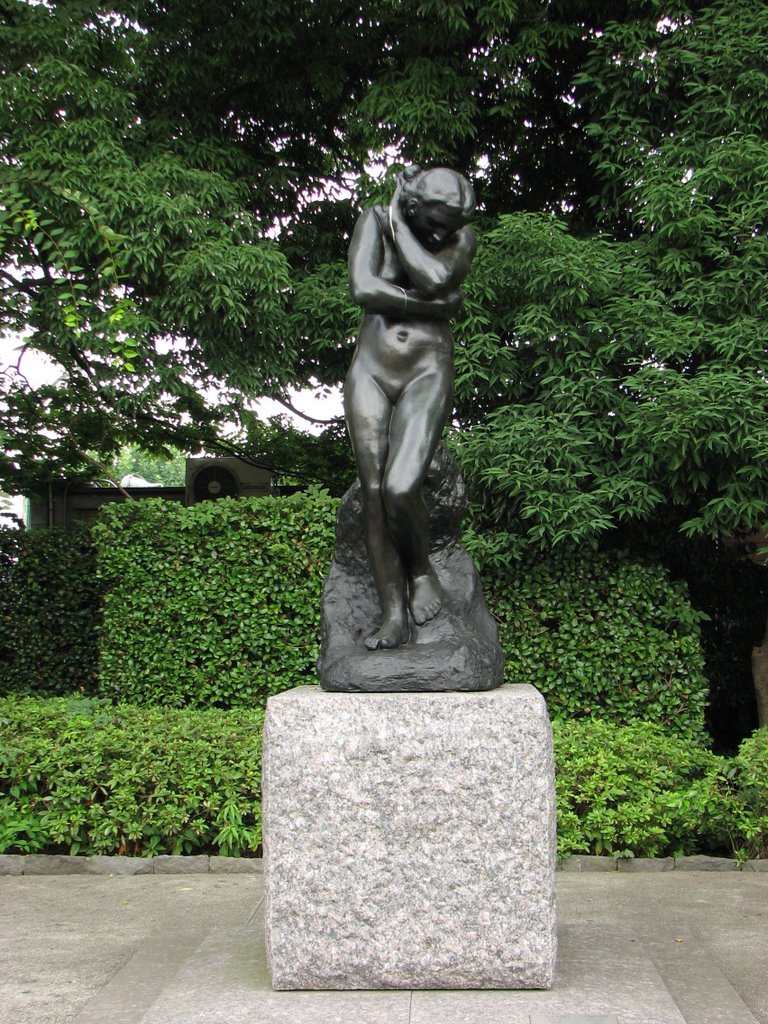
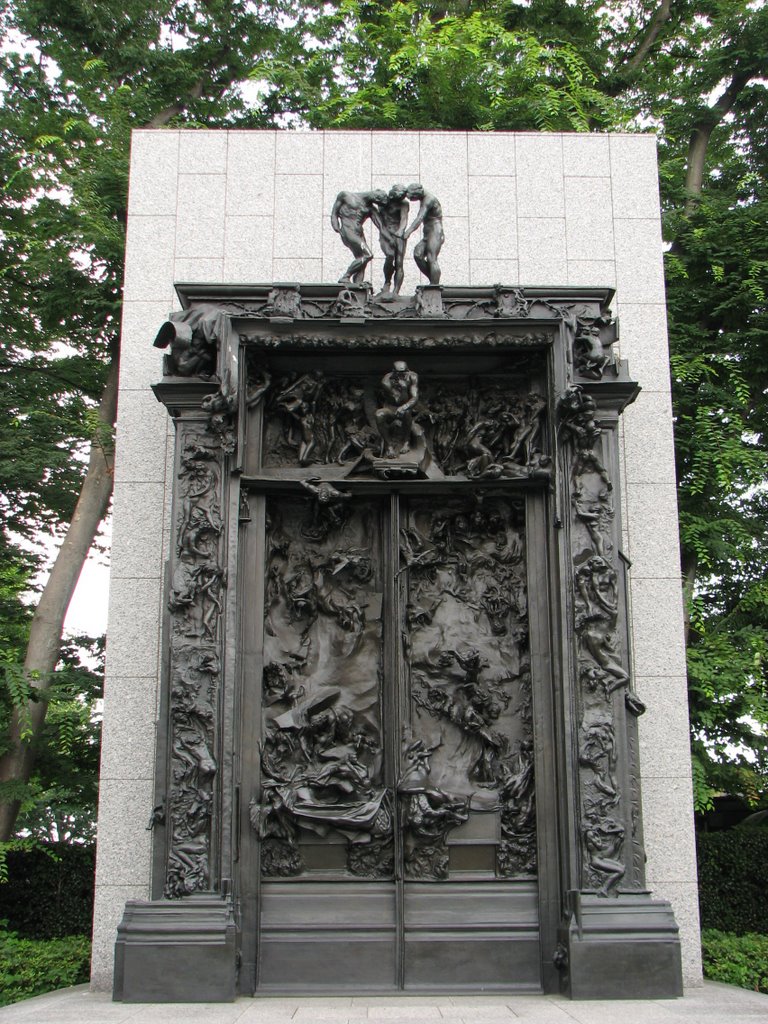
Adam, The Gates of Hell, Eve

Adam (1880), Auguste Rodin

Eve (c.1881), Auguste Rodin

The Gates of Hell (1880-1917), Auguste Rodin

Random shots in Ueno Park:

Bronze Statue of Prince Komatsu No Miya Akihito
Akihito was the eighth prince of Fushimi no miya Kunie. He joined the Toba/Fushimi war in January, 1868 as the commander-in-chief and also took part in the Boshin war.

In 1877 he established an organization called "Hakuai-sha" to help the wounded of the Seinan war and headed the association. When it was renamed "Japan Red Cross Society", he assumed office as its president and contributed to the development of the society. He passed away at the age of 58 on the eighteenth January, 1903.

This bronze statue was erected in February of 1912. The sculptor was Okuma Ujihiro, a Bunten art exhibition judge. The reason why the statue was erected here is presumed to be that of Rinnoji no miya, Akihito's elder brother was the last Monseki of Kanei-ji temple.
Toshogu
Tokugawa Ieyasu died 1616 and was buried in Nikko but this was his main shrine in Tokyo.

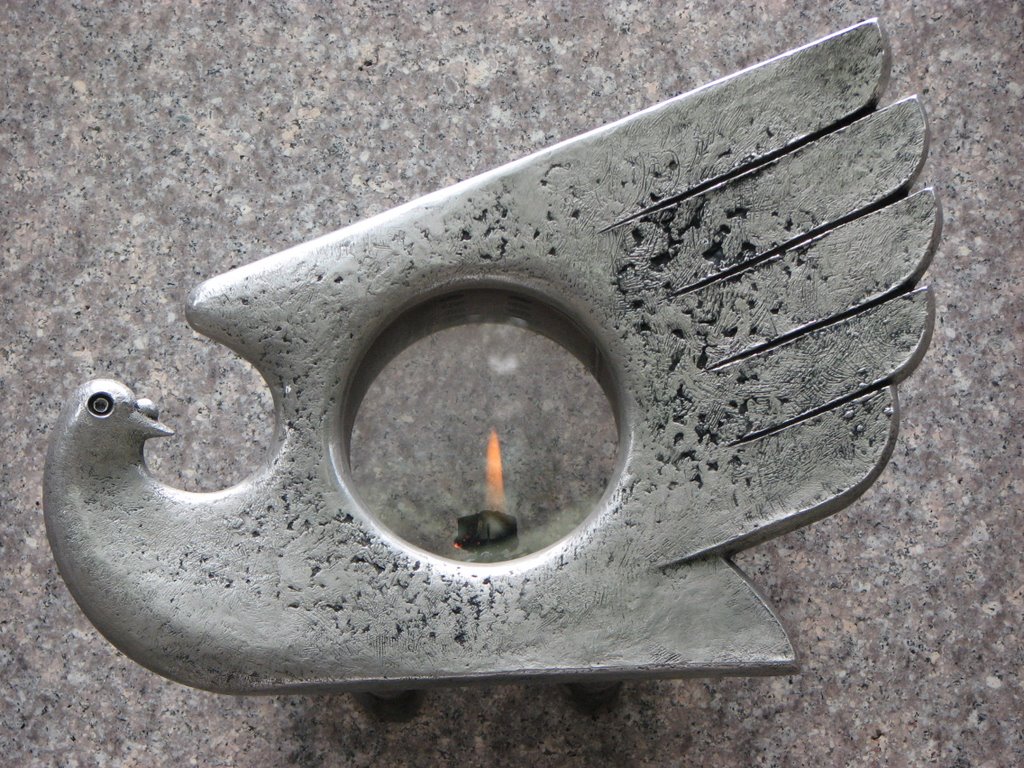
The Flame of Hiroshima and Nagasaki
The flame has an intersting origin.
On August 6, 1945, US forces dropped the world's first atomic bomb on Hiroshima, and another on Nagasaki on August 9 the same year, claiming the lives of hundreds of thousands of people in an instant. Even now, many survivors are still suffering from the damage.

Sometime later, Tatsuo Yamamoto went to Hiroshima in search of his uncle, and found a flame of the atomic bomb burning in the ruins of his uncle's house. He brought it back to Hoshino-mura, his hometown in Fukuoka prefecture. He kept it burning in his house as a memento of his uncle and an expression of his resentment. But years went by, the meaning of the lfame turned into a symbol of his desire for abolition of nuclear weapons amd for peace. Hoshino-mura village built a torch and transferred the flame to it on August 6, 1968. It has been keeping the flame ever since as the flame for peace, with the support of the villagers.

"The use of nuclear weapons will destroy the whole human race and civilization... The elimination of nuclear weapons... has become the most urgent and crucial for the very survival of the whole of humanity.

There must never be another Hiroshima anywhere on earth.
There must never be another Nagasaki anywher on earth."
(From the "Appeal from Hiroshima and Nagasaki" issued in February 1985)
In 1988, a flame was taken from the torch and was merged with another flame lit by the friction of broken roofing tiles of Nagasaki. Along with 30 million signatures collected in support of the "Appeal from Hiroshima and Nagasaki", it was carreid to the third Special Session of the UN General Assembly for Disarmament taking place in New York City.

In April the same year, members of "Shitamachi People Association" put forward an idea of lighting the flame at the precinct of Ueno Toshogu Shrine in Tokyo. Rev. Shozen Saga, the chief priest, warmly welcomed the proposal, and promised to set up a monument and work together to keep the flame burning.

In April 1989, an "Association for the Flame of Hiroshima and Nagasaki Lit at the Ueno Toshogu" was founded with the people of wide ranging people. (sic) Tens of thousands of people took part in the fund-raising for over one year and the construction of the monument was ocmpleted on July 21, 1990/

In commemoration of the 45th year of the A-bomb tragedies, a flame of Hiroshima was taken from Hoshino-mura and lit at the monument on August 6, and a flame of Nagasaki, generated by the friction of Nagasaki roofing tiles, was also added to the monument.

We hereby pledge to keep burning the A-bomb flame, convinced that this monument should contribute to strengthening the worldwide people's movement to abolish nuclear weapons and achieve peace, which is the most urgent task for the people across the borders.

August 1990
Association for the Flame of Hiroshima and Nagasaki Lit at the Ueno Toshogu
A huge stone lantern (Monster Lantern)

This huge garden lantern made of stone was offered as a gift from Sakuma Daizennosuke Katsuyuki to the Toshogu shrine in 1631. It is said to be one of the three grerat stone lanterns in Japan, together with those in Nanzen-ji temple of Kyoto and in Atsuta Jingu shrine.

The dimensions of the lanter are impressive, its height being 6 meters and the perimeter of the capping stone 3.6 meters. Because of its great size, people commonly call it "Monster Lantern".
Torii gates at the entrance of one of the shrines in Ueno park.

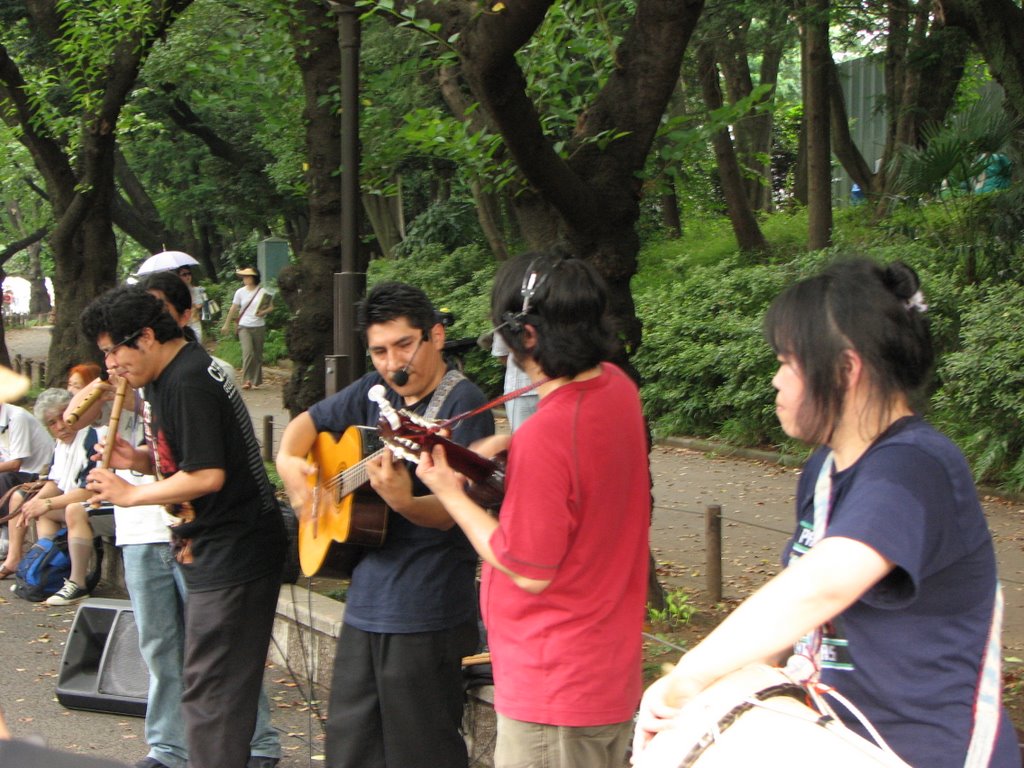
A band performing in Ueno park.
- 15 July 2006, Saturday -